“Be the change you wish to see in this world.”
This is a blog about BDRRM Kwentuhan in Pacita 1, San Pedro, Laguna.
Hazardous
[creek, informal settlers along train rails, a school near by SLEX, unfinished building of houses]
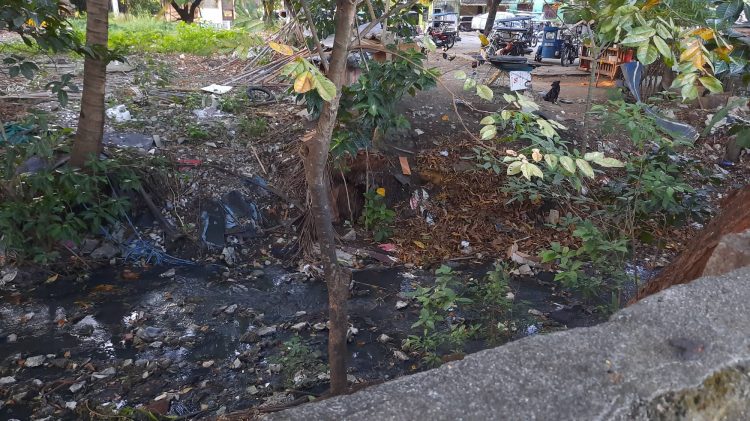
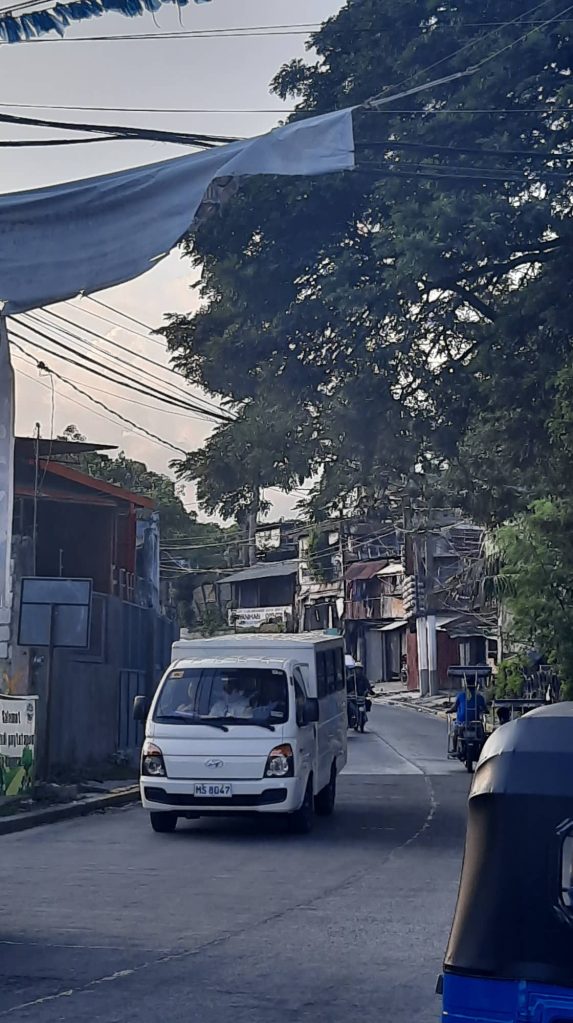
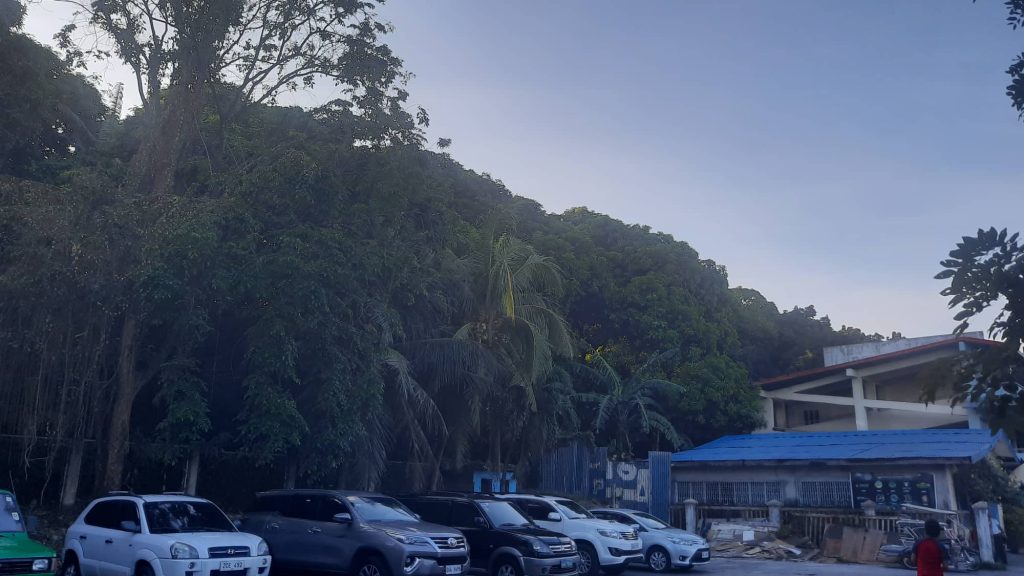

The pictures show the risks that these places may bring during calamities.
Safe
[barangay hall with covered court & convention center, covered court]
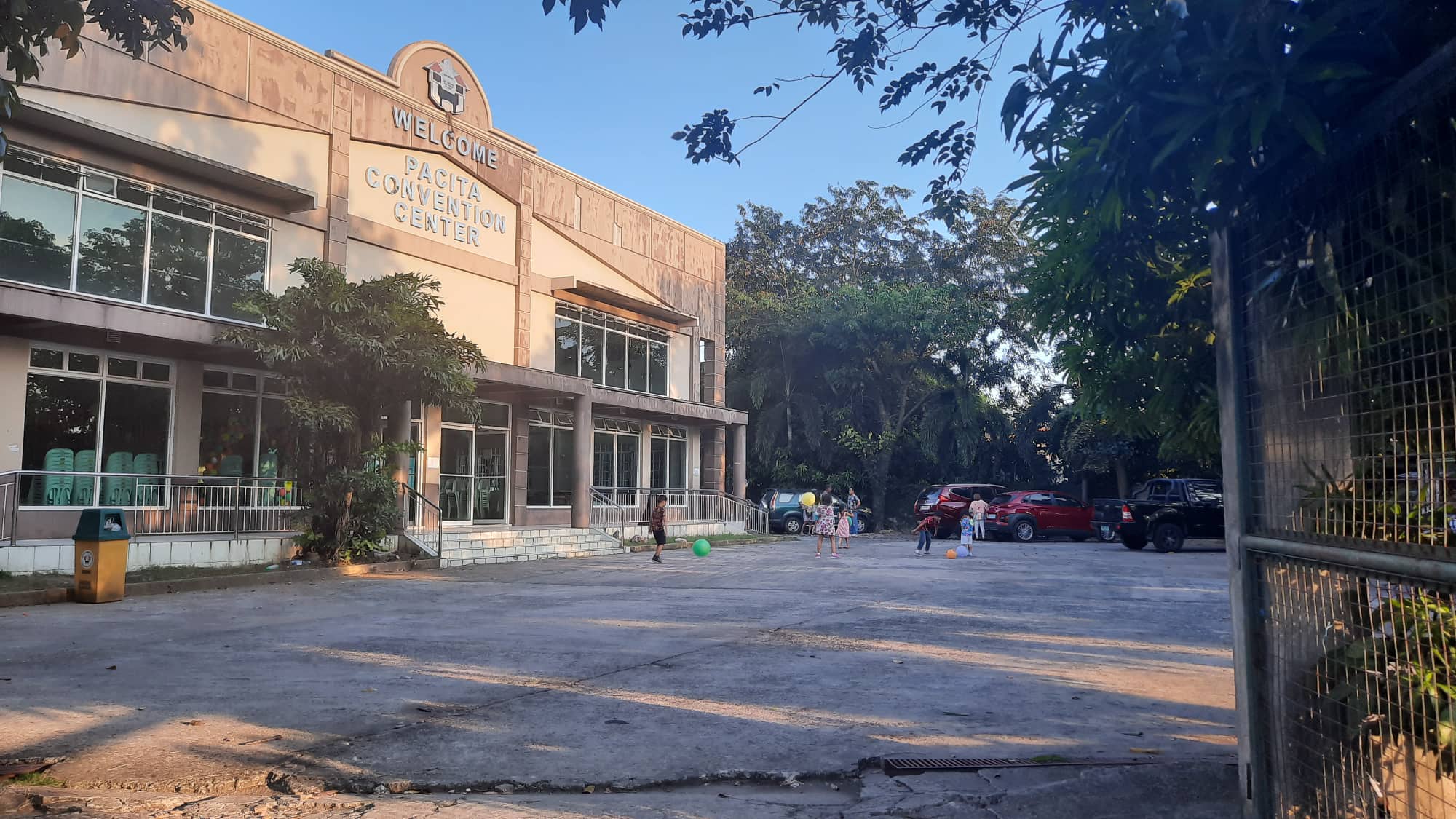
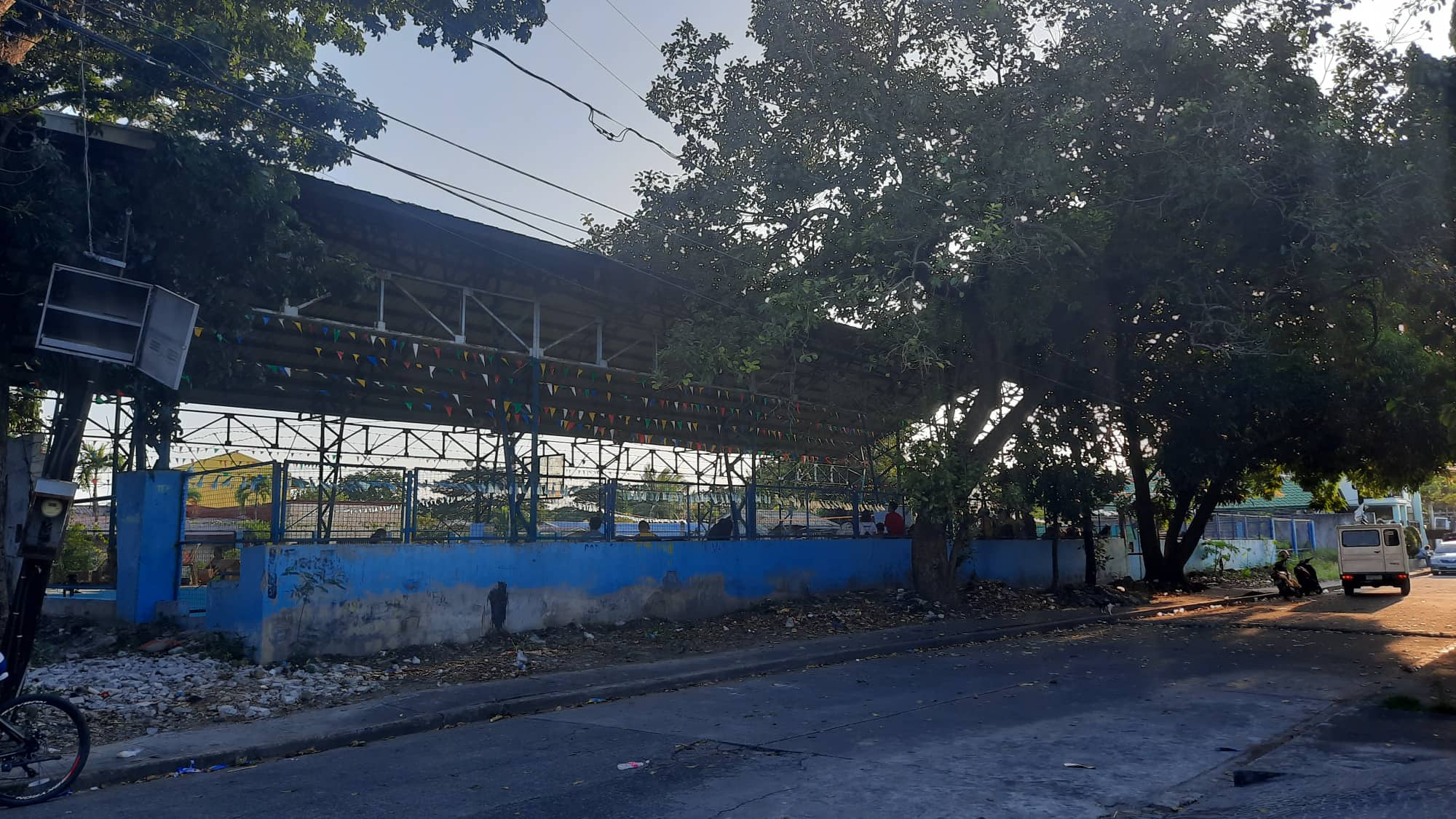
Safe places include wide spaces for earthquakes and covered areas like shown above for typhoons for security.
Nature: Unpredictable
There is no lie that with the advancing technology we have today, our lives become more convenient and easier. Things are done in a snap of a finger, a blink of an eye and we don’t have to spend large amounts of time, energy and resources to do our work. Communication is fast, information is widespread. But when nature kicks in – which is most of the time really unpredictable to what degree or extent it can affect us—and surprises us all with the power it really has over us, we must admit that no technology can stand against it.
We experience calamities year-round especially that our country is tropical, an archipelago and is located along the typhoon belt and the ring of fire. My barangay, Pacita 1 in San Pedro, Laguna, go through different calamities just like every other part of the country. Despite being near Laguna Bay and along the fault line though, we are very fortunate to be spared from grave danger. Our barangay isn’t bahain, we don’t experience floods that much but when we do it goes up only until below our knees. That’s the highest it could get in the complex (main) part of our barangay. This is caused by the creek that streams around San Pedro and the drainages that people fail to clean or clear out. During super typhoons like Milenyo, Ondoy and Yolanda we did experience “…’yung paglipad noong mga bubong at tumu-tumbang mga puno o poste. So far, wala namang mga napapahamak sa mga ganoong disgrasya na dinulot ng bagyo,” according to the barangay official.
Earthquakes, unlike typhoons, are harder to predict even if seismologists ever since the past have tried to foretell this type of calamity. Our city is along the fault line so the possibility of being affected is higher than those indirectly affected. But with past earthquakes, there is no harm done, according to our barangay’s history. One reason may be well, God’s mercy and another may be the barangay officials’ way of preparation which includes following the DRRM plan and applying it.
As I did our community walk, the barangay official showed me around the safest places: the barangay hall itself, covered courts, pacita astrodome near our church and the small wide space near the complex. Hazardous places include the place of informal settlers near train rails and houses/infrastructures near SLEX (as we are very near the expressway), courts with trees and posts around. Our barangay doesn’t have tall buildings but have infrastructures and trees around that may still cause damage. Recently, there was a change in the electrical posts c/o Meralco and together with the barangay officials they made sure that the electrical wirings and posts are properly put.
There is lack in funds for better resources but nevertheless enough to keep the barangay safe as much as possible. Our resources still suffice for the safety of everyone. Another issue is the lack of discipline & cooperation of other residents of Pacita 1. I personally believe that change starts within us and if we can’t instill in ourselves those values, tayo din ang mahihirapan. It affects us all, one way or another, and we must realize that there is no else that could help us but each other. And if we can’t begin with helping ourselves by making oneself aware and be knowledgeable about these things, tayo ang talo. Filipinos surely practice bayanihan and I also believe that if we continue to unite as one, we are able to surpass challenges brought by nature, just like how it has always been. Although I must say that we should really give more importance to DRRM. Governments should allot funds for this because if other countries can, then we can, too.
We are still very susceptible to these hazards and must stay alert and be aware of the possible consequences we may face. With proper knowledge & training, enough resources for everyone, we can reduce the risks these disasters may bring. Nature is powerful and only the man above can ever tell when, where and how it’s gonna be. Our job is only to make less these hazards and help ourselves to keep alive. Now it is perfectly normal for us to be scared as it is only perfectly natural for these calamities to occur but this is what we must learn — setting aside fear and panic. Using our wits and instincts can make a difference in times like these. After all, nature constantly reminds us how we are only a small part of this world.
Strategy!
Actions to increase capacities:
- Anticipate. Awareness of risks. Education. Participating and implementing in risk reductions.
- Cope. Training.
- Resist. Preparedness measures. Establishing evacuating designs. Stock piling emergency equipment.
- Recover. Alternative means of income.
Importance?
DRR approach helps us conduct effective disaster response while reducing risks that similar disasters will reoccur.
Vulnerability Assessment
A vulnerability assessment can serve as the basis for developing strategies for reducing the risks
from disasters
- Determine responsibility for conducting the assessment
- Identify and rank hazards
- Identify and map areas of greatest risk
- Inventory and map physical vulnerability
- Inventory and map social vulnerability
- Inventory and map employment centers
- Inventory and map environmental threats
- Community ground-truthing
- Identify areas and people at risk, develop strategies to reduce risks from disasters.
References:
Capacity. (n.d.). Retrieved from https://www.preventionweb.net/risk/capacity.
1.4 Why disaster risk reduction is important during and after emergencies. (n.d.). Retrieved from https://www.careemergencytoolkit.org/topics-issues/34-drr/1-introduction/1-4-why-disaster-risk-reduction-is-important-during-and-after-emergencies/.
Community-Based-Vulnerability-Assessment (n.d). Retrieved form:https://www.mdcinc.org/wp-content/uploads/2017/11/Community-Based-Vulnerability-Assessment.pdf
NSTP MODULE 3
Submitted by:
Sophia Salaguinto
CSCI-2
 Module 3